
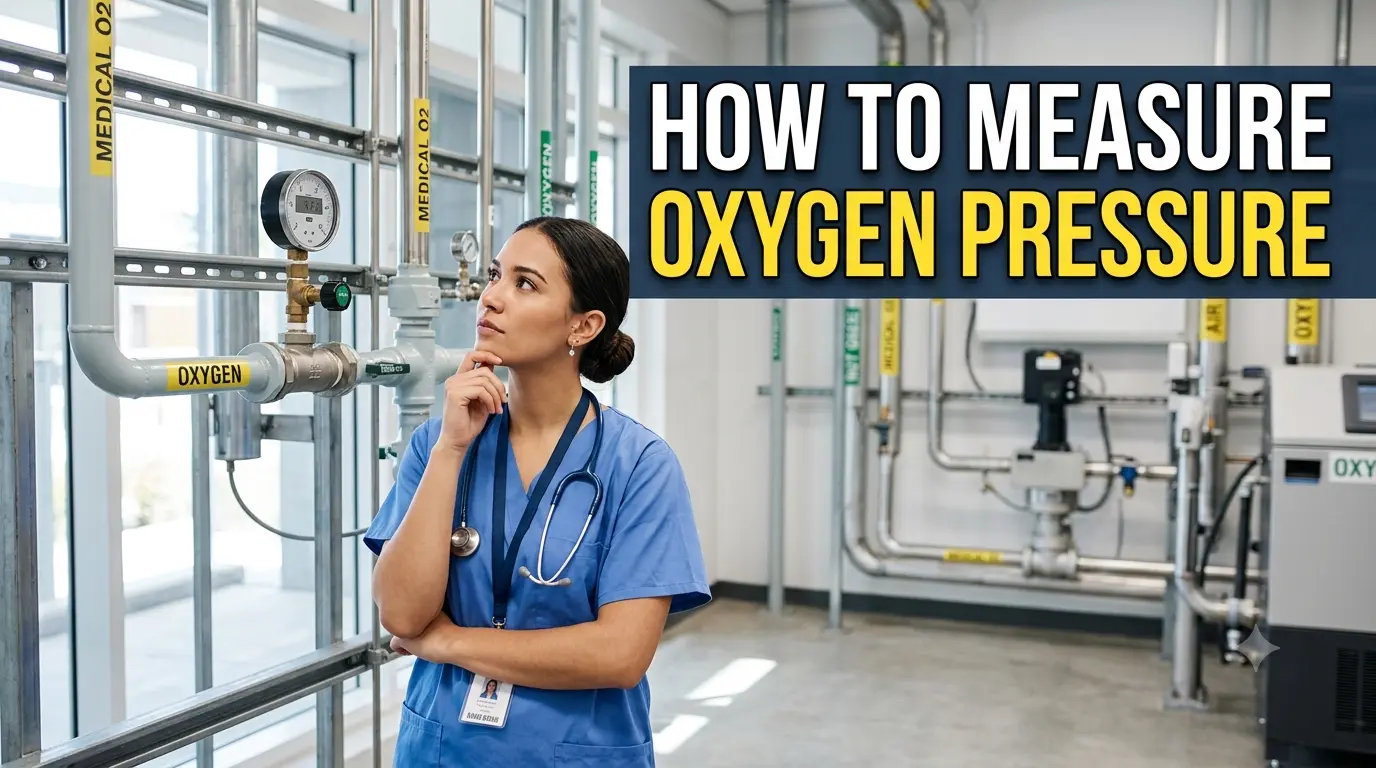
How to Measure Oxygen Pressure in Medical Pipelines is an important question for biomedical engineers, hospital administrators, and maintenance teams responsible for managing Medical Gas Pipeline Systems (MGPS). Oxygen is continuously supplied through hospital pipelines to critical areas such as ICUs, operation theatres, emergency departments, and patient wards. To ensure uninterrupted oxygen delivery, hospitals must regularly monitor oxygen pressure and maintain pressure stability throughout the pipeline network. Proper oxygen pressure measurement helps identify fluctuations, detect system issues early, and improve overall reliability of the medical gas infrastructure.
Understanding how to measure oxygen pressure in medical pipelines helps hospitals maintain consistent oxygen delivery and avoid pressure-related issues that could affect patient care. Regular monitoring enables biomedical teams to identify abnormalities early, maintain system reliability, and ensure stable oxygen availability throughout the hospital.
Why Pressure Stability Matters in Hospitals
The primary purpose of a medical gas pipeline system is to transport oxygen from its source to various departments within the hospital. Whether oxygen is supplied from a PSA plant, liquid oxygen tank, or cylinder manifold, it must reach the outlet points at the correct hospital oxygen pressure.
If the pressure is too low, oxygen delivery may become insufficient for patient requirements. On the other hand, excessively high pressure can create stress on pipeline components and connected equipment.
Stable oxygen pipeline pressure ensures that oxygen reaches ventilators, anesthesia machines, flowmeters, and other critical devices at the required performance levels. This is one of the main reasons why hospitals prioritize continuous oxygen pressure monitoring as part of their MGPS maintenance strategy.
Without proper monitoring, hospitals may not immediately recognize changes in medical gas pipeline pressure, potentially leading to operational challenges and system inefficiencies.
Understanding Pressure Distribution in MGPS
Before discussing how to perform an oxygen pressure check, it is important to understand what oxygen pressure means within a medical gas pipeline system.
Pressure refers to the force at which oxygen moves through the pipeline network. Maintaining appropriate oxygen pressure helps ensure that oxygen is available at all outlets throughout the facility, regardless of the distance from the oxygen source.
Several factors can influence oxygen pipeline pressure, including oxygen demand, pipeline design, equipment condition, and the performance of regulators and valves.
Because oxygen usage varies throughout the day, hospitals rely on regular oxygen pressure measurement to ensure the system continues operating within acceptable limits.
A stable hospital oxygen pressure also helps biomedical engineers identify potential system issues before they impact patient care.
Methods Used for Pressure Measurement
When learning how to measure oxygen pressure in medical pipelines, it is important to use appropriate measuring devices and monitoring systems capable of providing accurate pressure readings.
Hospitals use a variety of methods and instruments for oxygen pressure measurement within their MGPS infrastructure.
Traditionally, pressure gauges installed at key locations within the pipeline network have been used to perform an oxygen pressure check. These gauges provide a visual indication of current pressure levels and help maintenance teams identify abnormalities.
Modern healthcare facilities increasingly use digital monitoring devices and integrated pressure monitoring system solutions that provide real-time visibility into pipeline performance.
To measure medical gas pipeline pressure, readings may be collected at multiple locations including:
- Oxygen source outlets
- Main pipeline sections
- Area valve service units
- Critical care departments
- Terminal outlets
Monitoring pressure at multiple points helps hospitals verify that oxygen pressure remains stable throughout the entire network.
Continuous oxygen pressure monitoring provides additional advantages because it enables biomedical teams to observe trends and identify changes as they occur.
Importance of Real-Time Monitoring
In many hospitals, oxygen demand changes throughout the day. During periods of high patient activity, oxygen consumption may increase significantly.
These changes can affect oxygen pipeline pressure, particularly if there are issues within the supply system.
Continuous oxygen pressure monitoring allows hospitals to observe pressure behavior in real time and quickly identify unusual fluctuations.
Instead of relying solely on periodic inspections, a real-time pressure monitoring system provides immediate visibility into changing pipeline conditions.
This approach improves system reliability and helps hospitals maintain consistent hospital oxygen pressure across all departments.
Continuous monitoring also simplifies troubleshooting because biomedical engineers can review historical pressure trends and determine when changes occurred.
As healthcare infrastructure becomes more advanced, real-time oxygen pressure monitoring is becoming an increasingly important component of MGPS management.
Factors That Affect Pipeline Performance
Several factors can influence medical gas pipeline pressure within a hospital.
One common cause is increased oxygen demand. During emergencies or periods of high occupancy, greater oxygen consumption can affect oxygen pressure levels throughout the system.
Equipment issues may also contribute to pressure instability. Malfunctioning regulators, damaged valves, blocked filters, or pipeline restrictions can impact oxygen pipeline pressure and reduce overall system efficiency.
Leaks within the MGPS network can also affect hospital oxygen pressure. Even relatively small leaks may cause pressure losses over time.
In addition, poor maintenance practices can lead to gradual degradation of system performance, making routine oxygen pressure measurement essential.
Regular monitoring helps hospitals identify these issues early and take corrective action before they affect oxygen delivery.
Benefits of Regular Pipeline Inspections
Hospitals that understand how to measure oxygen pressure in medical pipelines can identify performance issues earlier and improve the efficiency of their MGPS infrastructure.
Performing a regular oxygen pressure check offers several advantages for hospitals.
First, it helps verify that oxygen is being delivered consistently throughout the facility. Stable medical gas pipeline pressure supports reliable operation of medical devices and oxygen outlets.
Second, routine oxygen pressure measurement allows maintenance teams to identify abnormalities before they develop into larger system failures.
Third, effective oxygen pressure monitoring contributes to preventive maintenance programs by providing valuable information about pipeline performance.
Hospitals can also use pressure data to evaluate system efficiency and support long-term infrastructure planning.
Most importantly, maintaining proper oxygen pressure helps ensure uninterrupted oxygen delivery to patients who depend on continuous respiratory support.
Modern Approaches to Hospital Gas Monitoring
As healthcare facilities adopt digital technologies, advanced pressure monitoring system solutions are becoming increasingly common.
Unlike traditional gauges that require manual inspection, a digital pressure monitoring system provides continuous access to pressure information.
These systems support proactive maintenance by allowing hospitals to monitor oxygen pipeline pressure remotely and identify unusual trends quickly.
Real-time alerts can help biomedical engineers respond to pressure deviations before they affect patient care areas.
The integration of digital monitoring technologies also improves the accuracy of oxygen pressure measurement and reduces dependence on manual inspections.
For hospitals managing large MGPS networks, automated oxygen pressure monitoring provides greater operational visibility and efficiency.
How PressData® and OxyData PPF Support Oxygen Pressure Monitoring
As hospitals increasingly adopt smart monitoring technologies for their Medical Gas Pipeline Systems (MGPS), continuous visibility into oxygen pipeline performance has become essential. Monitoring oxygen pressure in real time helps biomedical engineers quickly identify pressure fluctuations, prevent supply disruptions, and maintain stable oxygen delivery across critical hospital areas.
For dedicated oxygen pressure monitoring, PressData® provides real-time monitoring of medical gas pipeline pressures along with audio-visual alarms, trend analysis, and centralized monitoring capabilities. By continuously tracking medical gas pipeline pressure, PressData® helps hospitals maintain stable hospital oxygen pressure and quickly respond to abnormal pressure conditions before they affect patient care.
Alongside pressure monitoring, hospitals often need visibility into other oxygen parameters that influence pipeline performance. This is where OxyData PPF plays an important role. OxyData PPF monitors oxygen purity, pressure, flow rate, and flow consumption from a single device, providing a broader understanding of oxygen system performance. Through continuous oxygen pressure measurement and multi-parameter monitoring, the device helps biomedical teams correlate pressure trends with oxygen purity and flow behavior for more effective system management.
Together, PressData® and OxyData PPF support a comprehensive approach to oxygen pressure monitoring. While PressData® focuses on dedicated pressure surveillance and alarm management, OxyData PPF provides additional insight into oxygen quality and consumption parameters. This combination enables hospitals to improve oxygen pressure check procedures, strengthen their pressure monitoring system, and maintain reliable oxygen delivery throughout the medical gas pipeline network.
Smart Monitoring Technologies for Modern Hospitals
As digital technologies continue to evolve, the process of how to measure oxygen pressure in medical pipelines is becoming more automated through smart monitoring platforms and remote dashboards.
The future of hospital infrastructure management is increasingly data-driven. As healthcare facilities continue modernizing their MGPS systems, oxygen pressure monitoring will play a larger role in maintaining operational reliability.
Advanced monitoring platforms, remote dashboards, IoT integration, and automated analytics are expected to improve how hospitals manage oxygen pipeline pressure.
Continuous oxygen pressure measurement will help biomedical teams respond more quickly to system changes while supporting preventive maintenance efforts.
As hospitals move toward smart infrastructure solutions, digital pressure monitoring system technologies will become an essential part of ensuring safe and reliable oxygen delivery.
Conclusion
Knowing how to measure oxygen pressure in medical pipelines is essential for maintaining a safe, efficient, and reliable oxygen distribution system within healthcare facilities.
Maintaining stable oxygen pressure is one of the most important aspects of managing a medical gas pipeline system. Through regular oxygen pressure measurement, hospitals can verify system performance, identify potential issues, and ensure reliable oxygen delivery throughout the facility.
Whether performed through traditional gauges or advanced pressure monitoring system solutions, effective oxygen pressure monitoring provides valuable insight into the health of the MGPS network. By combining routine inspections with continuous monitoring technologies, hospitals can maintain consistent hospital oxygen pressure, improve infrastructure reliability, and support high-quality patient care.
People Also Ask – FAQs
How can oxygen pressure be measured in medical gas pipelines?
Hospitals perform oxygen pressure measurement using pressure gauges, digital monitoring devices, and advanced pressure monitoring system solutions installed at key locations within the MGPS network.
What is the ideal oxygen pressure in hospital pipelines?
The ideal hospital oxygen pressure depends on hospital infrastructure and applicable guidelines. Regular oxygen pressure monitoring helps ensure that pressure remains within acceptable operating limits.
Can oxygen pressure be monitored continuously?
Yes. Modern pressure monitoring system technologies allow continuous oxygen pressure monitoring, providing real-time visibility into pipeline performance and pressure stability.
Why is oxygen pressure monitoring important in MGPS systems?
Oxygen pressure monitoring helps hospitals maintain reliable oxygen delivery, identify system issues early, improve maintenance planning, and ensure stable medical gas pipeline pressure throughout the facility.
Which instrument is used to measure oxygen pressure in hospitals?
Hospitals commonly use pressure gauges and digital monitoring devices for oxygen pressure measurement and routine oxygen pressure check procedures.